State of the Art Diagnostic Testing
The latest technology with the highest level of care
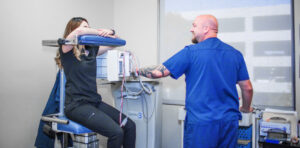
Each of our diagnostic tests will be performed with state of the art equipment by experienced technicians. For all tests below, please take your usual medications unless instructed otherwise by your provider. Please do not discontinue any medication without first talking with your cardiologist
Our testing services include:
Echocardiogram
Safe, sound wave test to evaluate the structure and function of your heart including its chambers and valves.
Electrocardiogram (ECG) A
A recording of the electrical activity of the heart. It is a simple, non-invasive procedure whereby electrodes are placed on the skin of the chest and connected to a machine that, when turned on, measures electrical activity all over around the heart. An example of its clinical use is in the initial diagnosis of a heart attack, which is usually made by a combination of clinical symptoms and characteristic EKG changes; the EKG can detect areas of muscle ischemia (muscle deprived of oxygen) and/or dead tissue in the heart.
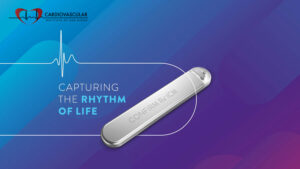
Event (Telemetry ) Monitor
A painless way to record your heartbeat at home, outside of our office to evaluate symptoms like dizziness, palpitations, skipped heart beats, or abnormal heart sensations
Exercise or Pharmacologic Nuclear Medicine Stress Test
A small amount of a short-acting radioactive material isotope is given through an IV in your arm, which provides pictures of your heart at rest and after exercise (or after you’re given lexiscan medication if you are unable to walk on a treadmill) taken by a camera that allows us to visualize the circulation to your heart and observe its function before and after exercise/stress
Exercise Stress Echocardiogram
This test produces images of the heart while you are resting and exercising to determine how your heart tolerates increased activity and to determine your the likelihood of having blocked arteries (coronary artery disease)
Exercise Treadmill Test
Any of various tests that assess cardiovascular health and function after application of a stress to the heart, usually exercise but sometimes others such as atrial pacing (regulation of the heartbeat by means of an electrode inserted in the atrium of the heart) or specific drugs. In an exercise cardiac stress test (ECST), the patient exercises on a treadmill according to a standardized protocol, with progressive increases in the speed and elevation of the treadmill (typically changing at three-minute intervals). During the ECST, the patient’s electrocardiogram (EKG), heart rate, heart rhythm, and blood pressure are continuously monitored. If a coronary arterial blockage results in decreased blood flow to a part of the heart during exercise, certain changes may be observed in the EKG, as well as in the response of the heart rate and blood pressure.
Vascular Studies
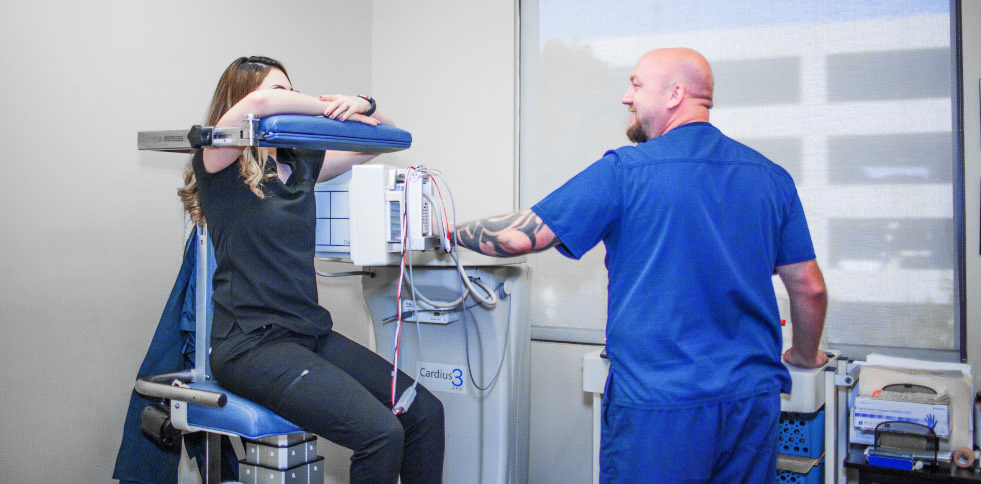
These are non-invasive tests that evaluate the blood flow in your arteries and veins without using any needles and by using high-frequency sound waves to measure the blood flow. Some of our most common studies are:
- Carotid Artery Ultrasound
- Renal Artery Ultrasound
- Abdominal Aorta Ultrasound
- Peripheral Artery Ultrasound
- Venous Ultrasound of Upper and Lower Extremities
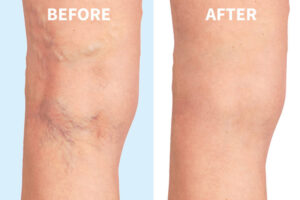
- Venous Reflux Testing
Transcatheter Aortic Valve Replacement (TAVR)
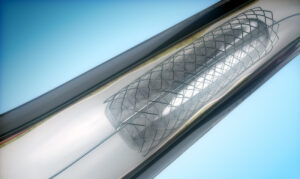
During this minimally invasive procedure a new valve is inserted without removing the old, damaged valve. The new valve is placed inside the diseased valve. The surgery may be called a transcatheter aortic valve replacement (TAVR) or transcatheter aortic valve implantation (TAVI).
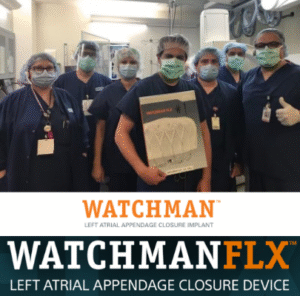
Watchman
The Watchman Device is a small implant placed into the heart that can reduce the risk of stroke in patients with atrial fibrillation. Patients with atrial fibrillation are at increased risk of stroke, mainly due to clots that form in a small chamber in the top of the heart known as the left atrial appendage.