
Description
Key Features & Material Specifications
316L Stainless Steel Construction
- Superior corrosion resistance, especially against chlorides and organic acids
- Low‑carbon formulation minimizes carbide precipitation during welding
- Ideal for high‑purity and welded systems
Hygienic Surface Finishes
Mechanical Polish (MP): Ra ≤ 0.8 µm
- Suitable for food, dairy, beverage, and general sanitary applications
Electropolish (EP): Ra ≤ 0.4 µm
Ultra‑smooth, mirror‑like finish for pharmaceutical and biotech systems
- Reduces microbial adhesion and enhances cleanability
Industry‑Standard Compliance
Sanitary fittings are manufactured to meet major global standards, including:
- ASME BPE (Bioprocessing Equipment)
- ISO 2852
- DIN sanitary standards
- 3‑A Sanitary Standards
These standards ensure dimensional accuracy, traceability, and hygienic design.
Connection Types
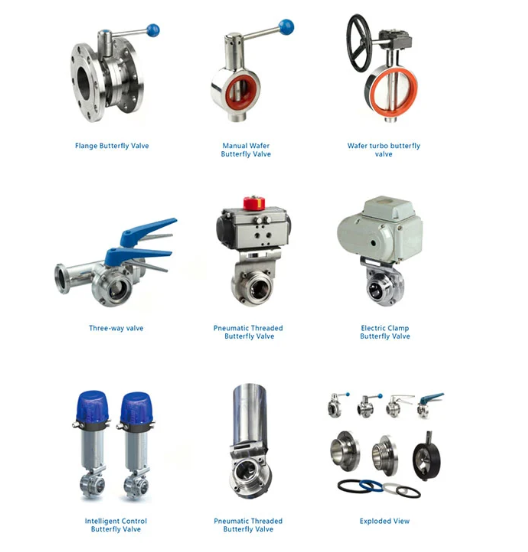
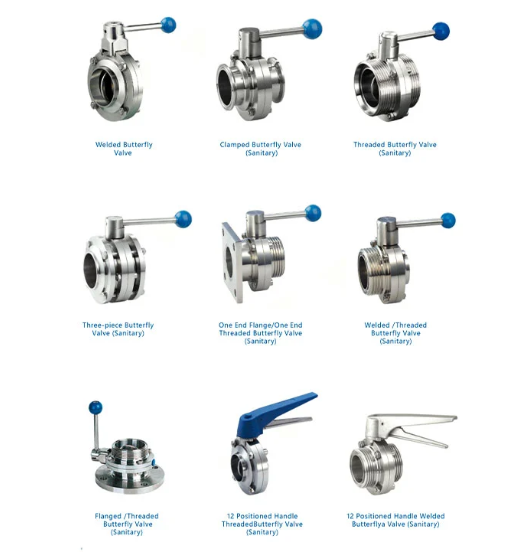
- Tri‑Clamp (Tri‑Clover) — quick‑release, leak‑proof, industry standard
- Butt Weld — ideal for permanent, high‑purity systems
- Bevel Seat — common in dairy and beverage applications
- Other sanitary connection formats available upon request
Frequently Asked Questions
Why is 316L stainless steel preferred for sanitary fittings?
316L offers superior resistance to pitting and crevice corrosion, especially in environments containing chlorides or acidic cleaning agents. The low‑carbon grade prevents weld decay, ensuring long‑term integrity in welded systems.
Should I choose Mechanical Polish or Electropolish?
Mechanical Polish (Ra ≤ 0.8 µm):
- Ideal for food, beverage, and general sanitary applications.
Electropolish (Ra ≤ 0.4 µm):
Recommended for pharmaceutical, biotech, and high‑purity water systems.
- Provides enhanced corrosion resistance and reduced microbial retention.
How important is gasket selection?
Critical. Gaskets are part of the wetted surface and must match your process conditions.
- EPDM: Hot water, steam, mild acids
- Silicone: High‑temperature applications
PTFE: Aggressive chemicals and ultra‑pure systems
- Always ensure FDA or EC compliance for food and pharmaceutical use.
Are these fittings suitable for WFI or purified water systems?
Yes. For high‑purity water systems, specify:
- Electropolished finish (Ra ≤ 0.4–0.5 µm)
- ASME BPE compliance
- Full material traceability
- Orbital‑weld butt‑weld connections
These requirements help maintain low microbial counts and prevent particle shedding.
What documentation is provided?
Sanitary fittings can be supplied with:
- Material Test Certificates (MTCs) verifying chemical composition
- Certificates of Conformance (CoC)
- Traceability documentation for pharmaceutical and biotech validation
Documentation packages are available upon request.
Why Choose Our Sanitary Fittings
Our sanitary pipe fittings are engineered for hygienic processing environments where reliability, cleanability, and compliance are essential. With high‑grade 316L stainless steel, precision polishing, and adherence to global sanitary standards, these fittings provide long‑lasting performance and seamless integration into any hygienic piping system.


Reviews
There are no reviews yet.